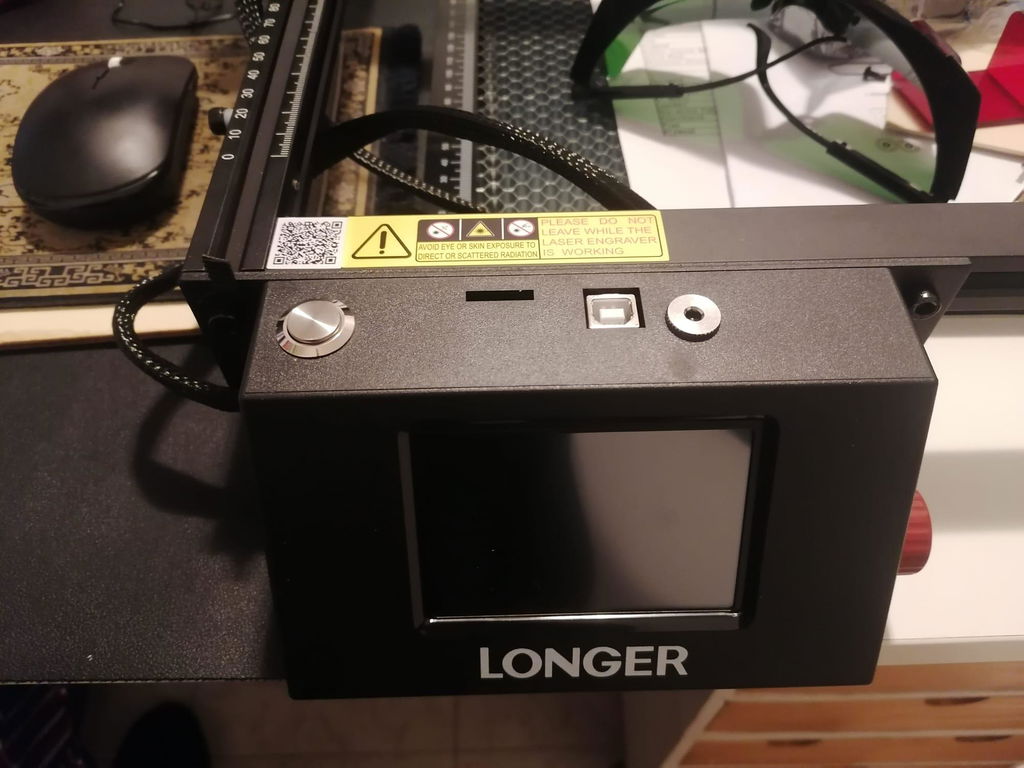
When creating laser-cut assemblies, one of the most common challenges is achieving the correct fit between connected parts. A tolerance test for joints helps determine whether pieces fit too tightly, too loosely, or exactly as intended. Running this test before producing a full project can reduce wasted materials and improve assembly quality.
Table of Contents
- What This Guide Covers
- Why This Process Matters
- Before You Start
- Requirements
- Precautions
- Step-by-Step Tutorial
- Common Problems and Solutions
- Tips for Better Results
- Frequently Asked Questions
- Final Thoughts
What This Guide Covers
This guide explains how to perform a tolerance test for joints for laser-cut parts and assemblies. It helps beginners understand why fit calibration matters and how testing affects final project quality.
Quick Answer
A tolerance test for joints is a small calibration process used before manufacturing final parts. It allows users to determine the ideal fit between connected laser-cut pieces by evaluating how tightly or loosely components assemble together.
Running a test before a full production job helps reduce material waste and improves dimensional accuracy.
Why This Process Matters
Even when using the same machine repeatedly, several factors can affect the fit of laser-cut joints:
- Material thickness may vary
- Different materials cut differently
- Laser kerf can change
- Machine calibration affects results
- Power and speed settings may influence cut width
A design that fits perfectly in one material may become too tight or too loose in another.
Testing first helps you:
- Improve assembly accuracy
- Reduce wasted materials
- Avoid repeated cutting attempts
- Create consistent press-fit results
- Increase project reliability
For projects involving:
- Boxes
- Mechanical assemblies
- Snap-fit structures
- Press-fit designs
- Interlocking components
Tolerance testing becomes especially important.
Before You Start
Before beginning the tolerance test process, ensure your machine is operating correctly.
Check the following:
- Machine is powered correctly
- Laser focus is properly adjusted
- Material is flat
- Lens is clean
- Working surface is stable
If additional setup information is required:
Follow official machine specifications or instructions.
Requirements
You may need:
- Laser engraver or cutter
- Test material
- Joint test file
- Computer with design software if required
- Measuring tools if needed
Use the same material type and thickness planned for the final project whenever possible.
Precautions
Before running the test:
- Verify that material thickness matches your intended project material
- Ensure the material is secured
- Keep the laser area ventilated
- Do not leave the machine unattended during operation
- Follow machine safety guidelines
Avoid making assumptions about material dimensions.
Material manufacturers often list nominal thickness values, but actual thickness can vary.
Step-by-Step Tutorial
Because the original procedure and exact operating sequence are the source of truth, preserve all original steps exactly as provided in the official tutorial.
If specific values, menus, file names, measurements, or settings are required:
Follow official machine specifications or instructions.
Step 1: Prepare the Joint Test File
Action
Prepare the official joint tolerance test file from the original tutorial.
Why this matters
The test file is designed to compare multiple fit variations in a controlled way.
Expected result
The file is ready for processing.
Important notes
Do not modify:
- Dimensions
- Slot values
- Labels
- File names
Step 2: Import the Test File
Action
Load the official test file into your software.
Why this matters
Correct file loading ensures the intended geometry remains unchanged.
Expected result
The design appears correctly in the workspace.
Important notes
Avoid rescaling the model.
Even small changes may affect the test outcome.
Step 3: Configure Machine Settings
Action
Apply the settings specified in the original tutorial.
Why this matters
Laser parameters influence cut width and therefore joint fit.
Expected result
Machine settings match official recommendations.
Important notes
Do not change:
- Power values
- Speed values
- Pass numbers
- Material settings
Use only official values.
Step 4: Start the Test
Action
Run the joint tolerance test process.
Why this matters
This step creates physical samples that allow fit evaluation.
Expected result
The machine cuts the test pieces successfully.
Important notes
Observe the process for:
- Excessive burning
- Incomplete cutting
- Unexpected movement
Step 5: Evaluate the Results
Action
Assemble and compare the test joints.
Why this matters
The purpose is identifying the best fit for your material.
Expected result
You can determine whether joints are:
- Too tight
- Too loose
- Properly fitted
Important notes
The ideal fit should:
- Hold firmly
- Avoid excessive force
- Allow consistent assembly
Common Problems and Solutions
| Problem |
Possible Cause |
Solution |
| Joint too tight |
Material thicker than expected |
Use the tested fit result from the calibration sample |
| Joint too loose |
Material thinner than expected |
Recheck material dimensions |
| Parts do not separate cleanly |
Incomplete cutting |
Follow official machine specifications or instructions |
| Burn marks on edges |
Cutting conditions may require adjustment |
Follow official machine specifications or instructions |
| Fit differs between materials |
Material properties vary |
Run a new tolerance test for each material type |
| Results vary between runs |
Machine calibration differences |
Verify machine condition and setup |
Tips for Better Results
Use actual project materials
Different materials behave differently during cutting.
Testing on scrap material from the final project batch often produces better consistency.
Test every material change
Examples include:
- Different plywood brands
- Acrylic sheets
- MDF
- Basswood
Even identical labeled thicknesses can behave differently.
Keep optics clean
Dust accumulation on lenses can affect cut consistency.
Store successful settings
Record:
- Material type
- Thickness
- Test outcome
Building a material database can save time later.
Frequently Asked Questions
1. Why is my laser-cut joint too tight?
Material thickness variation and laser kerf differences commonly affect fit.
Run a tolerance test before producing the final parts.
2. Do I need to test every material?
Yes. Different materials can produce different cutting behavior even if thickness values appear identical.
3. Can I use the same settings for plywood and acrylic?
Not necessarily.
Different materials react differently during cutting.
Follow official machine specifications or instructions.
4. Why do my assembled parts crack?
Excessively tight joints may create stress during assembly.
Perform fit testing before full production.
5. What is kerf?
Kerf is the material removed during cutting.
The laser beam width creates a small cut gap that influences fit accuracy.
6. Should I modify the official test dimensions?
No.
Keep all original dimensions unchanged.
Changing dimensions may invalidate the results.
7. Why does the fit change on different days?
Environmental conditions and material variation can influence results.
Running a quick calibration test before important projects can improve consistency.
Final Thoughts
A tolerance test for joints is a simple but valuable process for improving laser-cut assembly accuracy. Instead of discovering fit problems after producing a complete project, testing first helps identify the correct joint behavior with minimal material waste.
Maintaining the original workflow and official parameters is important. When details are not provided in the source documentation, always:
Follow official machine specifications or instructions.